
Current configuration
Mine / exploration sources↓Local laboratories / external laboratoriesLaboratory Network & Operating Model
Do we have the right laboratory configuration for the operation?
The Laboratory Network & Operating Model determines how analytical capability should be organised across an operation or group of operations.
Client situation
When it is needed
For clients considering centralisation, consolidation, outsourcing, insourcing, contractor transition, multiple laboratory sites or hybrid operating models.
Operating-model evidence
Facilities are physical. The operating model is a management decision.
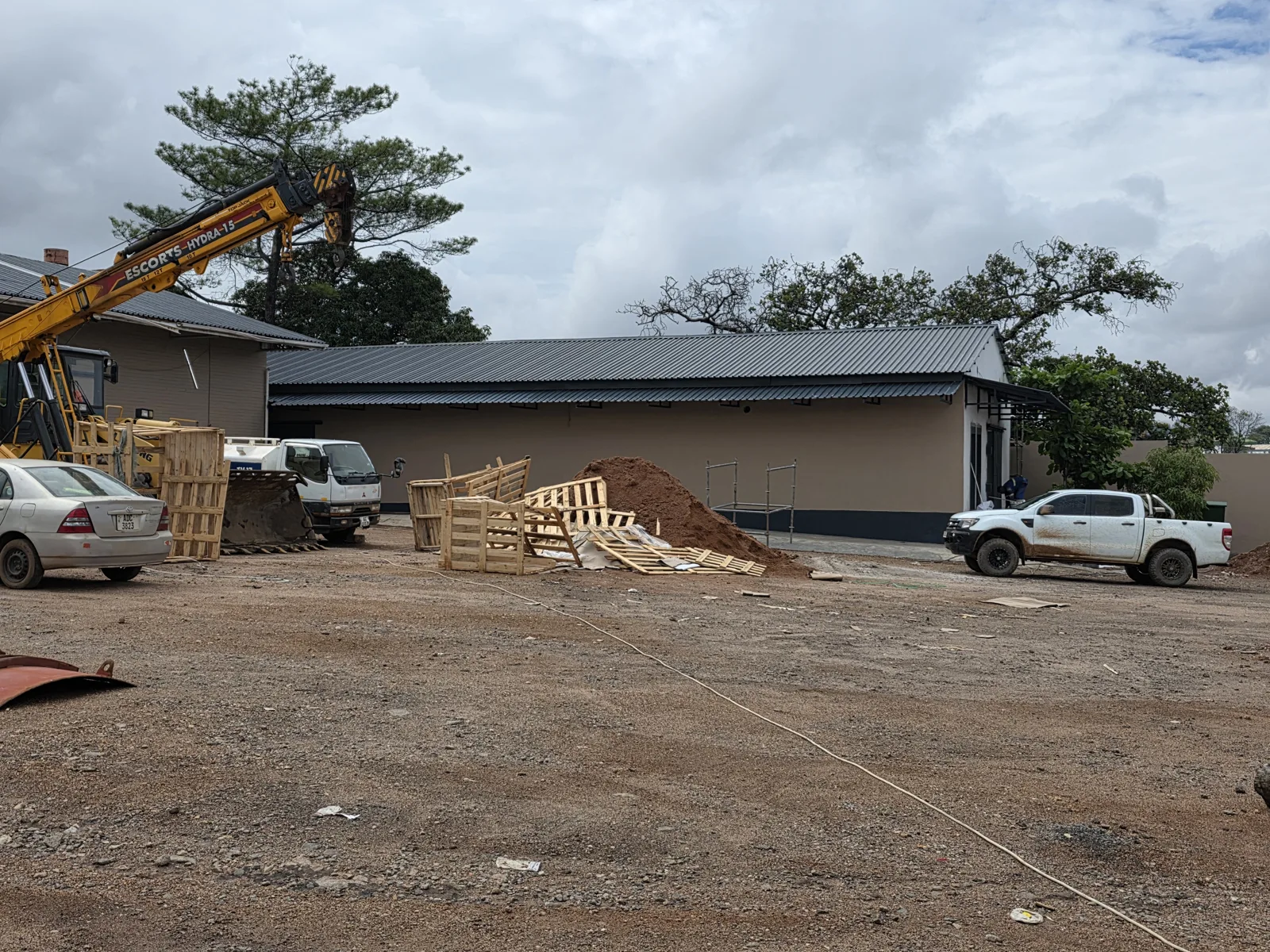
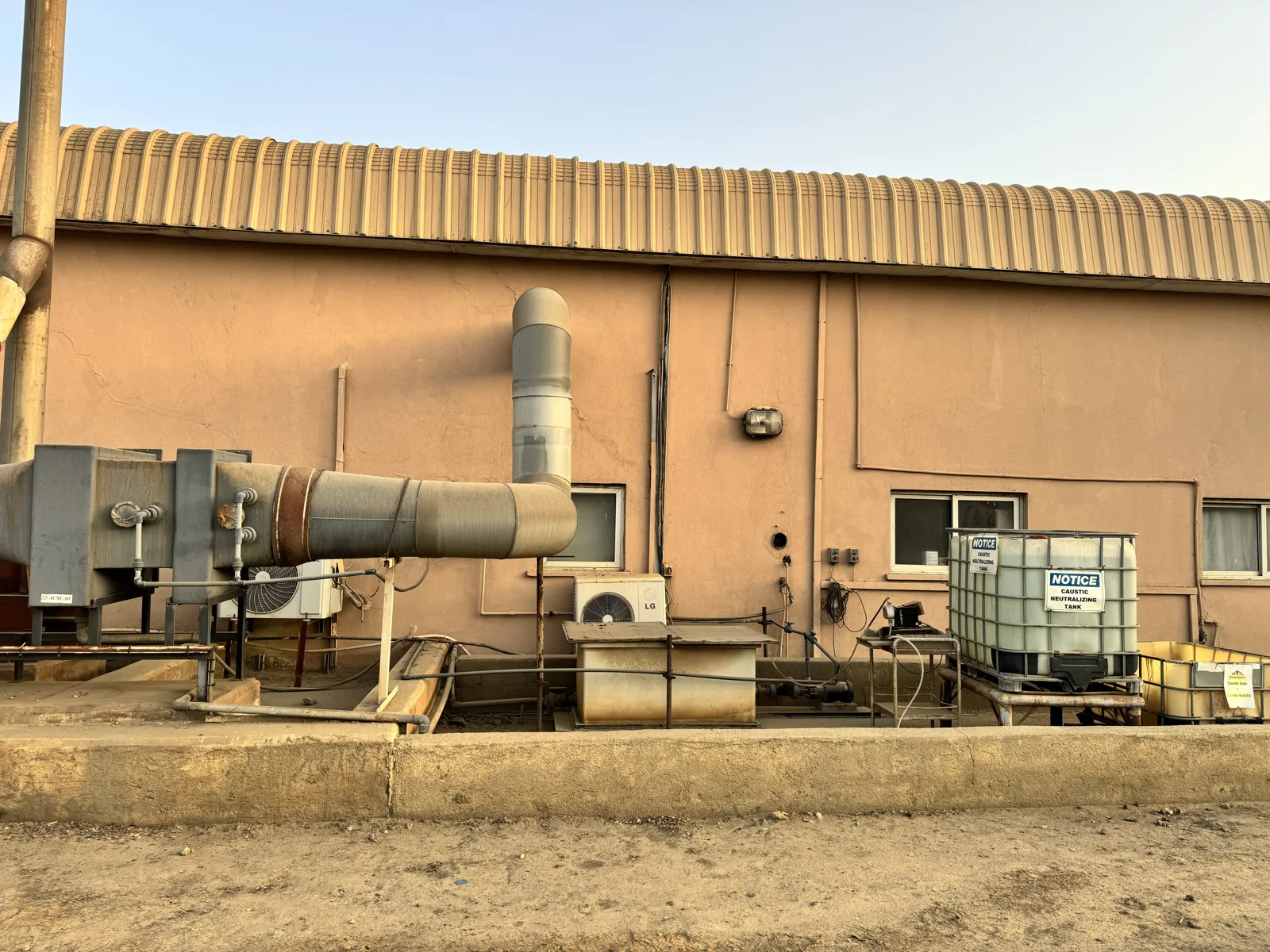
These are separate evidence references. They are not presented as one laboratory network.
Illustrative alternatives
TurnaroundCapacityCostPeopleQualityLogisticsResilienceImplementation risk
One operating system
What Sirius examines
- 01Demand
- 02Geography
- 03Service Requirement
- 04Laboratory Locations
- 05Capacity
- 06Logistics
- 07People
- 08Quality
- 09Cost
- 10Operating Model
The objective is to compare alternative configurations against what the operation actually requires, rather than assume one operating model is inherently better.
Evidence base
Typical evidence reviewed
- Sample volumes by location and type
- Turnaround requirements
- Existing laboratory capacities
- Equipment and asset condition
- Staffing and competency
- Transport and logistics
- Outsourced laboratory arrangements
- Contractor costs and service levels
- Internal operating costs
- Quality-control requirements
- Reporting requirements
- Site geography and distances
- Future mine or exploration plans
The work
What Sirius does
- 01
Define the service requirement
Establish what information is needed, where and how quickly.
- 02
Map the current network
Understand how samples, laboratories, equipment, people and information interact.
- 03
Establish the economics and constraints
Quantify capacity, logistics, staffing, service levels and cost where data allow.
- 04
Develop alternative scenarios
Compare the current configuration, centralised, specialist, outsourced, owner-operated and hybrid models.
- 05
Compare the trade-offs
Evaluate turnaround, capacity, resilience, quality, control, implementation complexity and cost.
- 06
Define the preferred configuration
Give management a clear basis for deciding how analytical capability should be organised.
Decision support
What the client receives
- Current-state laboratory network
- Demand and service requirements
- Capacity and logistics analysis
- Operating-model scenarios
- Cost and resource implications
- Risk and resilience considerations
- Scenario comparison
- Implementation pathway
Management receives a structured comparison of viable configurations and the trade-offs associated with each.
Illustrative only
Example output
Illustrative output — not a historical Sirius project result.
Current state
Mine A → Lab 1
Mine B → Lab 2
Exploration → External laboratory
Mine B → Lab 2
Exploration → External laboratory
Scenario A — retain
Lower disruption / duplicated capability
Scenario B — centralise
Higher utilisation / increased transport dependency
Scenario C — hybrid
Rapid assays retained locally / specialist analysis centralised
Compare
Turnaround · Capacity · Cost · People · Quality control · Resilience · Implementation risk
Management decision
Select the configuration best aligned with the operation’s requirements.
Experience behind the work
Relevant evidence
Product routing
When this product leads to another product
Capacity requires deeper analysisCapacity & Resource Model
Current performance is unclearLaboratory Performance Diagnostic
Selected configuration needs implementationBuild, Transition & Operate
New model requires ongoing controlAnalytical Performance System
Next step